
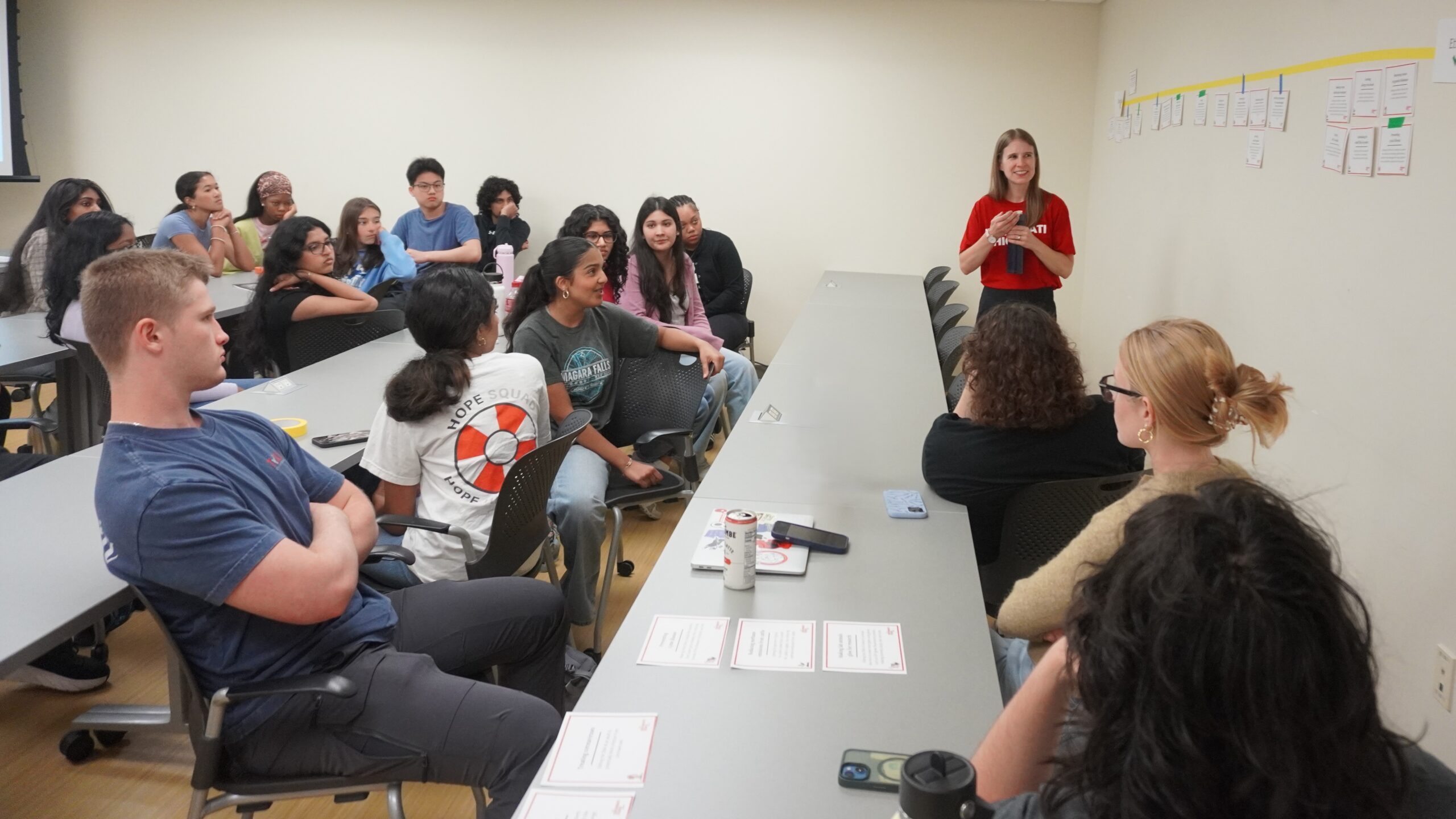
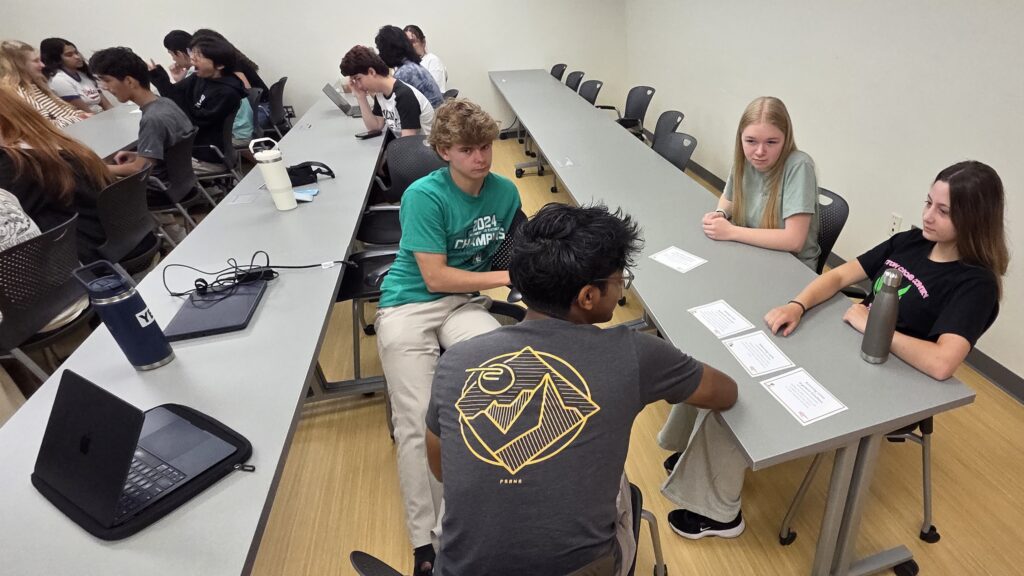
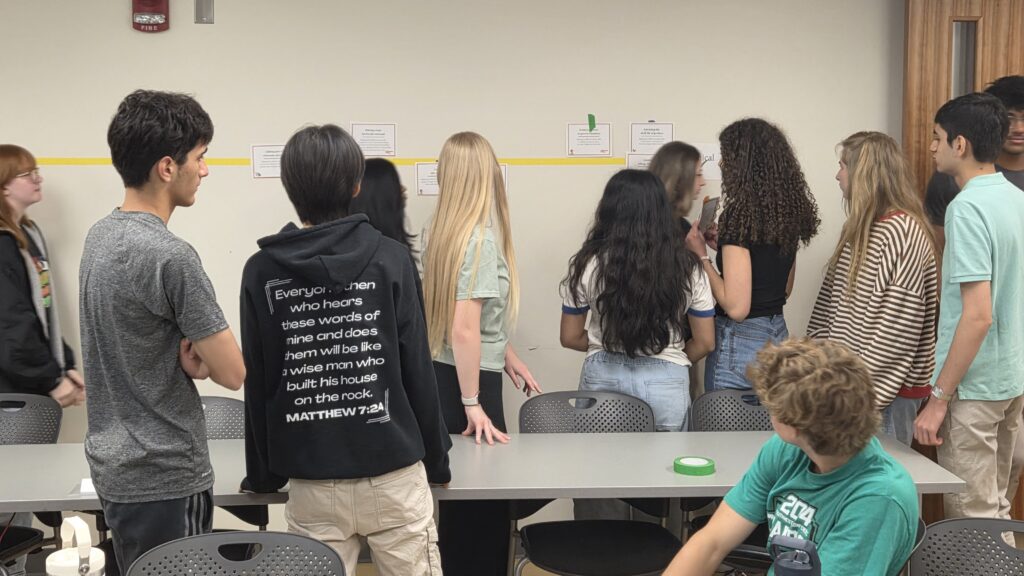
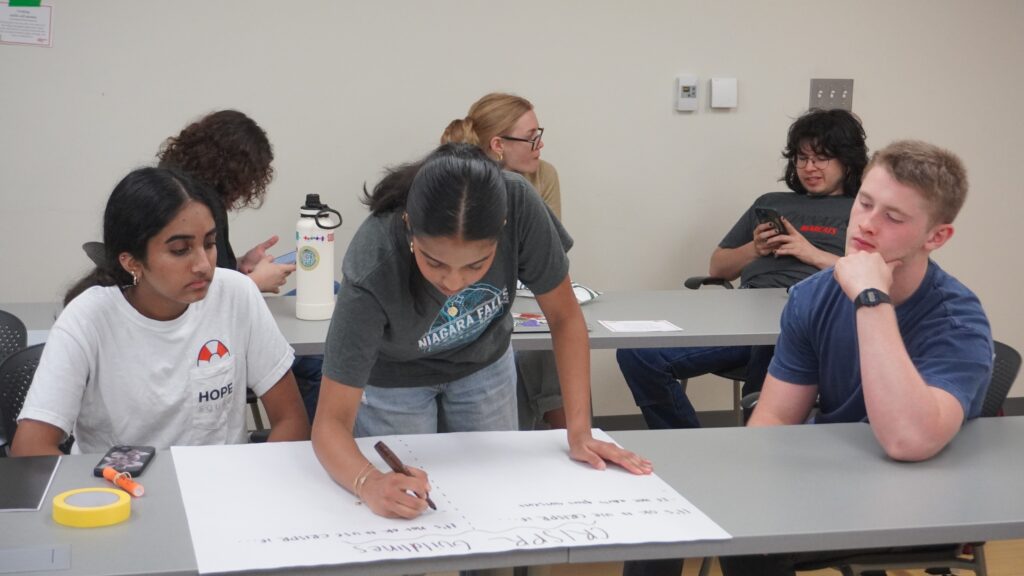
The students engaged in enthusiastic discussion about the potential consequences of using CRISPR technology to gene edit crops to make them drought-resistant. “Think about how far this could go to help with food shortages, especially in countries that don’t have a good environment for agriculture,” pointed out one student. “That’s true,” interjected another, “but we don’t know the long-term effects of changing crops like this. How might it impact the insects or animals that also eat those crops?”
These high schoolers were at the University of Cincinnati for the Medical Sciences Summer Institute with the College of Medicine, but in addition to learning about biomedical lab research, they also considered the ethical implications of that research. In this session, they explored the possibilities—and ethical concerns—of using CRISPR gene editing for a variety of applications in agriculture, animals, and human research.
This conversation was made possible through the Cincinnati Ethics Center’s partnership with several UC programs to bring ethical thinking and decision-making to some of the university’s high school summer camps. In total, the Ethics Center reached nearly 250 high school students across nine UC summer programs.
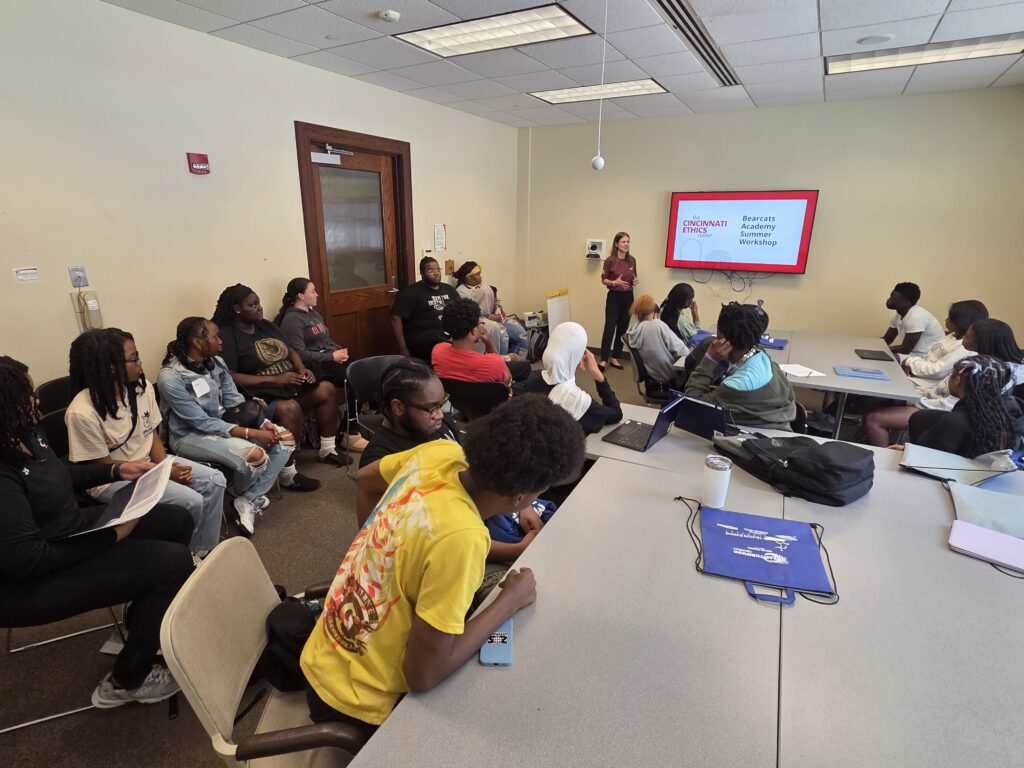
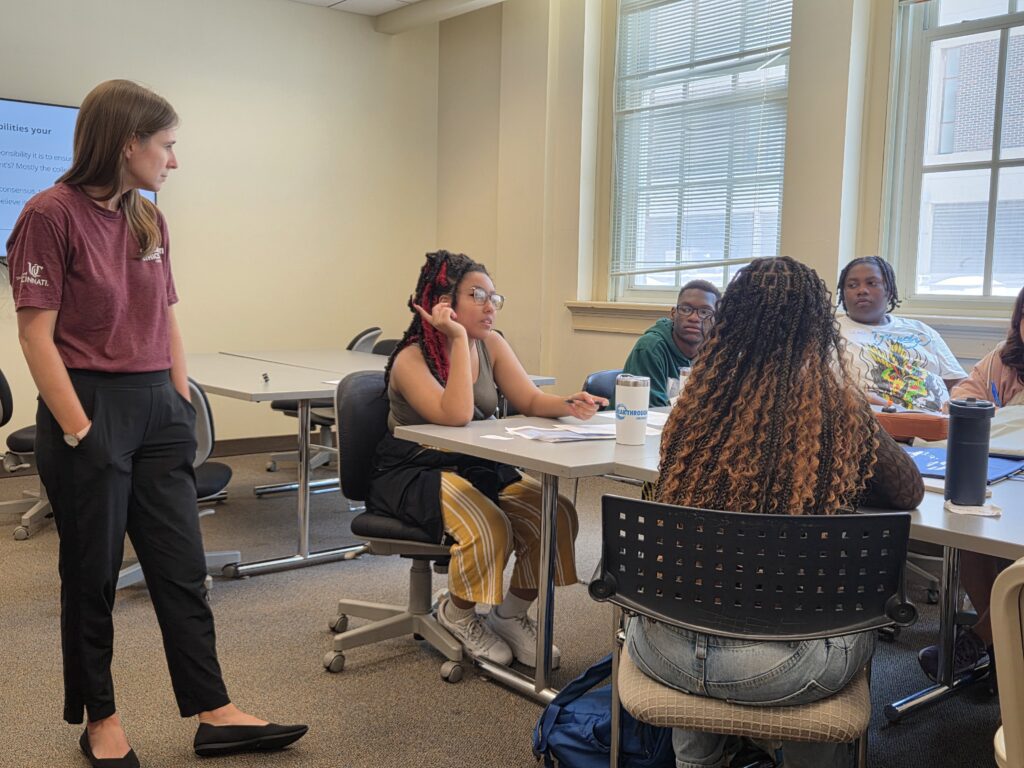
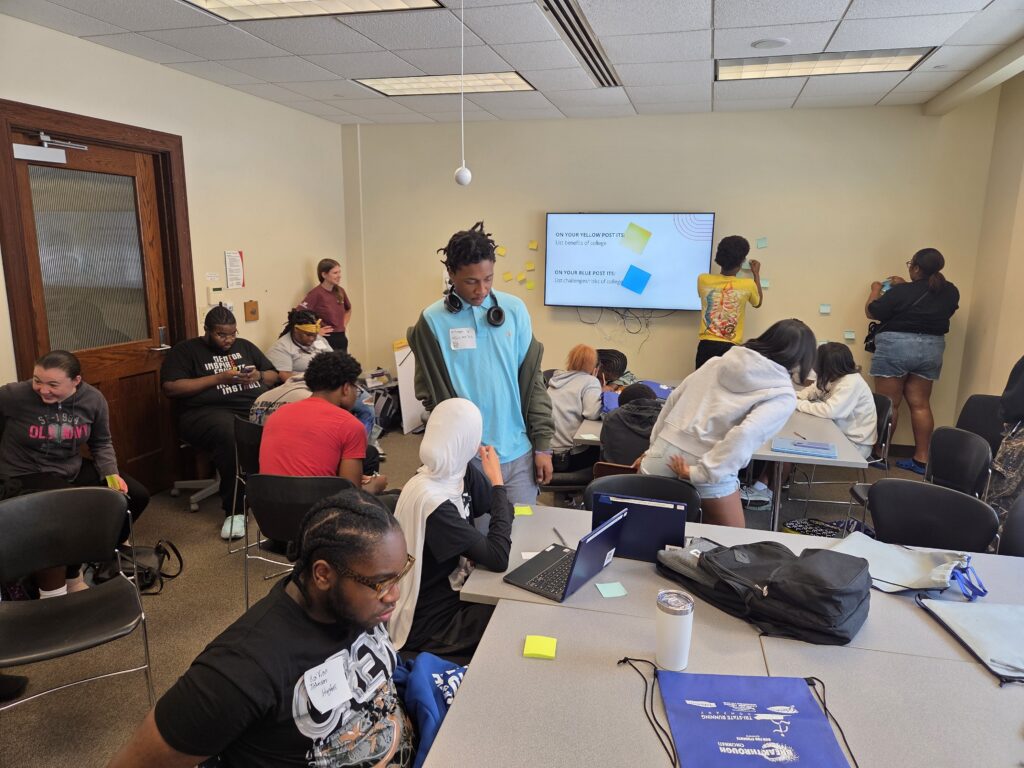
We began the summer with Bearcats Academy, a multi-year mentoring program that supports Cincinnati Public Schools students as they prepare for college. In our workshop, we explored the responsibilities of both colleges and students, encouraging participants to think through how they can advocate for themselves in challenging situations.
Next up was the Medical Sciences Summer Institute with the College of Medicine, which welcomes rising sophomores and juniors interested in medicine and healthcare. While students in the molecular track tackled the ethics of CRISPR and gene editing, participants in the cellular track examined issues around cell line ownership and the legacy of Henrietta Lacks, asking what researchers owe to the individuals behind medical breakthroughs. Across both tracks, we highlighted the critical role of institutional review boards and the importance of ethical standards in today’s research.
Lastly, we partnered with the College of Engineering and Applied Science to lead sessions in their summer camps, which covered a range of engineering disciplines, from biomedical to mechanical to computer. These students examined ethical questions tied to engineering innovation, from the use of AI in aerospace to how we assess risk in medical devices. As students considered future developments in the field of engineering, they asked, “What does it mean to be an ethical engineer?”
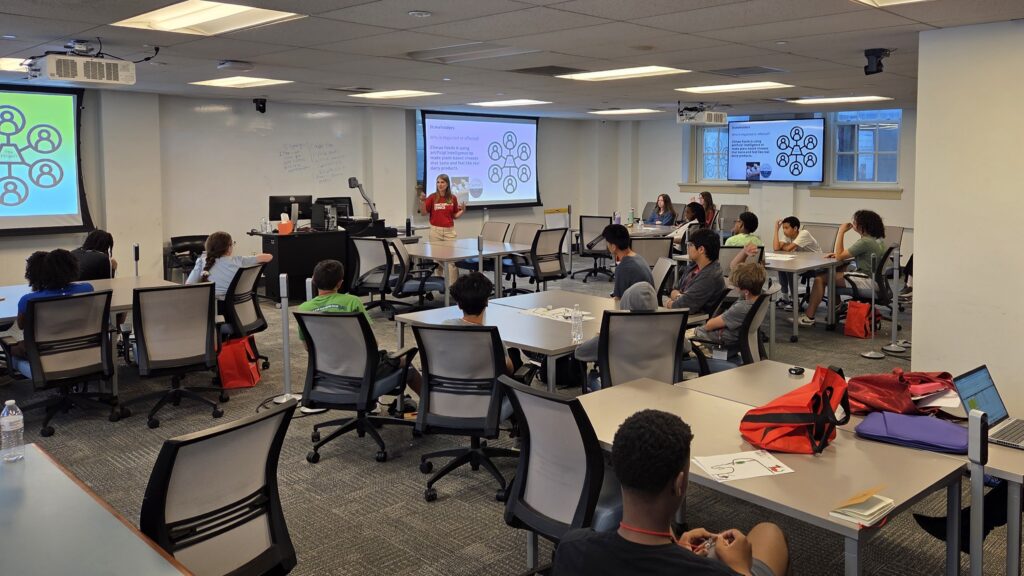
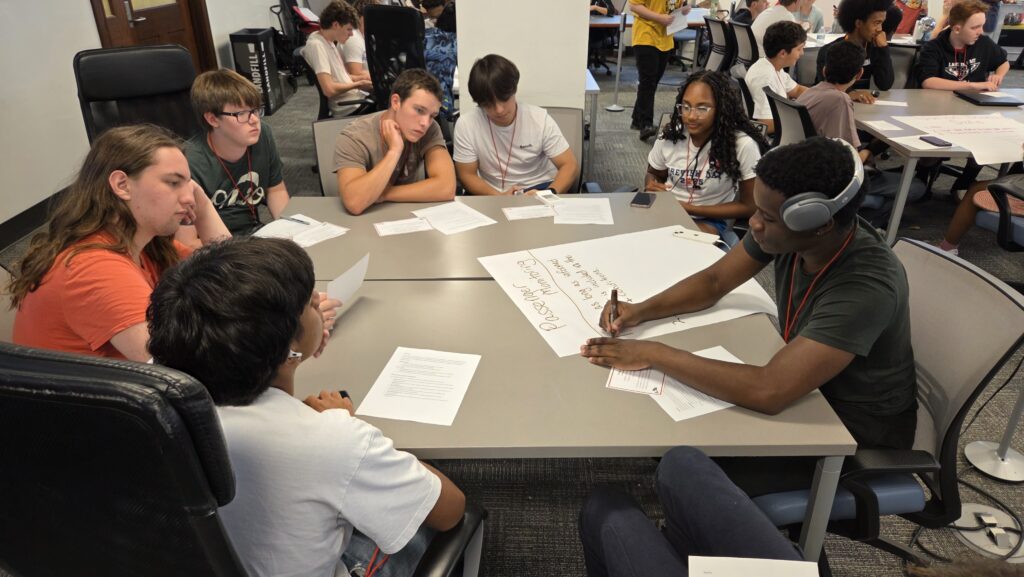
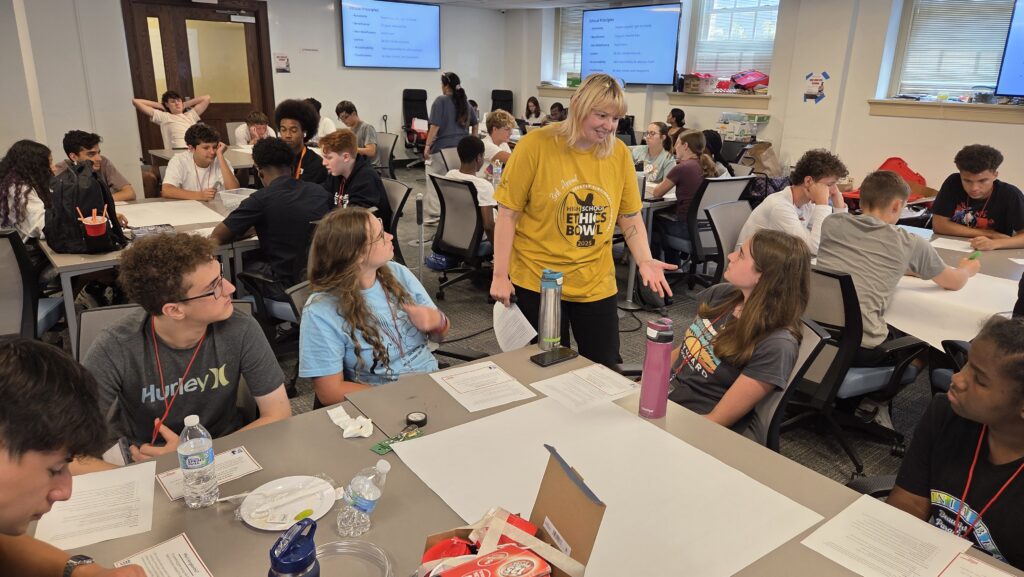
The Cincinnati Ethics Center’s K–12 programming focuses on bringing moral reasoning skills to area students. Research has shown that this kind of work is most effective when embedded in another program—that is, when students are exposed to ethical thinking within a field they’re already interested in. For this reason, the summer camp partnerships provided an ideal environment for students to engage with ethics in meaningful ways.
I was encouraged by how thoughtfully the students engaged with these challenging topics. They weren’t afraid to get into the complexities of gene editing human embryos or using generative AI to create videos. We need future leaders who can think ethically, and this group proved they’re ready for that challenge.
Any UC or community programs interested in adding an ethics component to their offerings for K–12 students can reach out to me at christina.baulch@uc.edu.
Learn more about some of UC’s programs for high school students:
- Bearcats Academy: https://cech.uc.edu/about/centers/center-for-youth-futures/bearcat-academy.html
- Medical Sciences Summer Institute at the College of Medicine: https://med.uc.edu/education/undergraduate-education/undergraduate-program-in-medical-sciences/admissions/medical-sciences-summer-institute
- College of Engineering and Applied Science Summer Camps: https://ceas.uc.edu/about/news-events/camps.html