
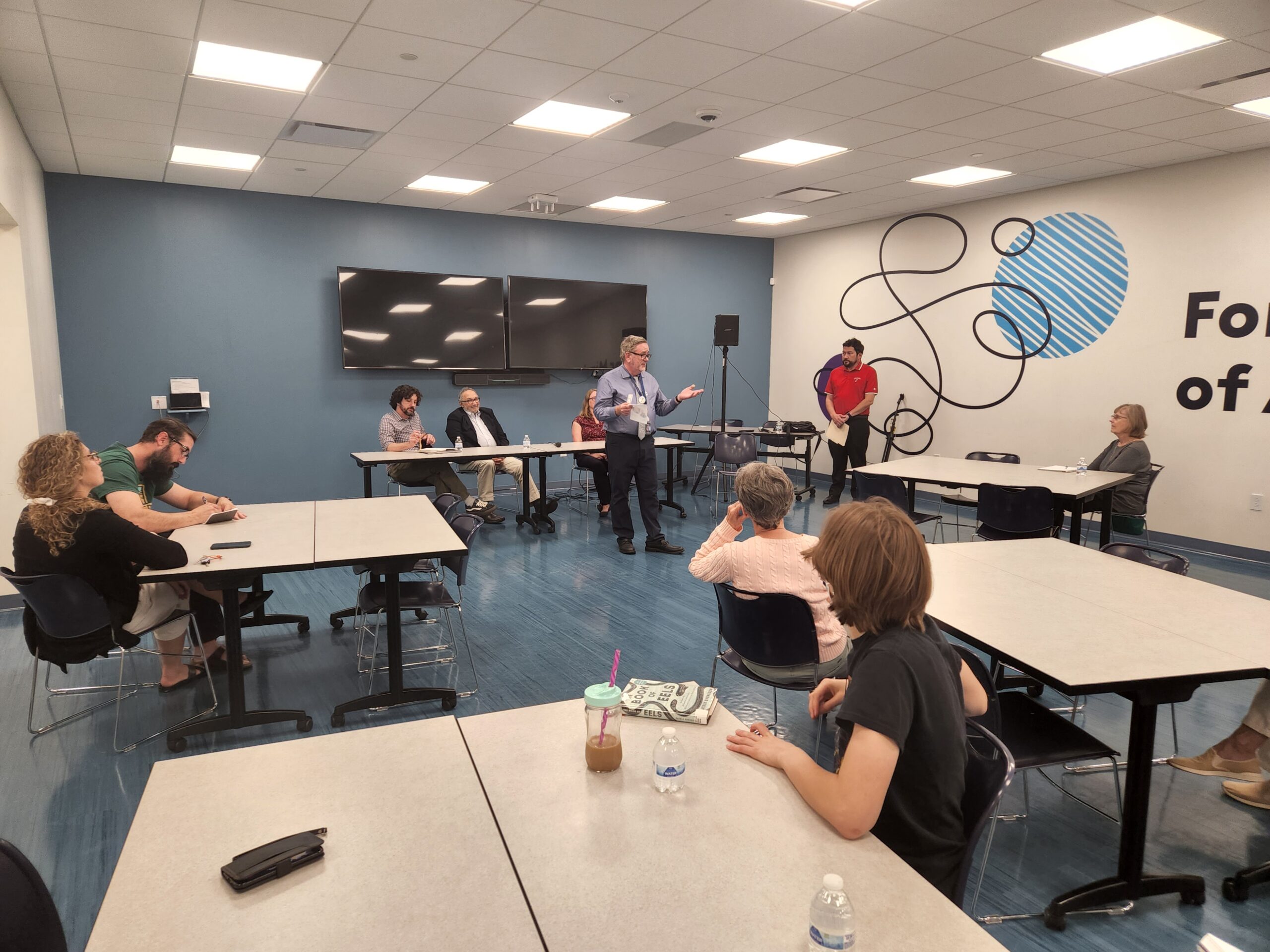
On the evening of September 13, members of the Greater Cincinnati community gathered at the Deer Park Public Library for the Ethics of Genetics Expert Panel, a collaborative event hosted by the Cincinnati Ethics Center, the Cincinnati & Hamilton County Public Library, and the Center for Clinical & Translational Science & Training (CCTST).
The event served as a lead-up to the 2022 Mary S. Stern Lecture featuring Walter Isaacson, held on October 6 at the Aronoff Center for the Arts. Isaacson’s then-latest book, The Code Breaker, chronicles the groundbreaking scientific revolution led by Nobel Prize-winning biochemist Jennifer Doudna, whose pioneering work in CRISPR gene-editing technology has transformed the field of genetics and opened new possibilities for medicine and human health.
To help the community explore both the promise and the ethical complexities of this emerging technology, Cincinnati Ethics Center Executive Director Andy Cullison convened a panel of experts representing multiple perspectives within the field. The panel featured Daniel Gurnon, Associate Professor of Chemistry and Biochemistry at DePauw University; Anil Menon, Associate Dean and Director of the Undergraduate Program in Biomedical Sciences at the University of Cincinnati; and Michelle McGowan, Associate Professor of Pediatrics at Cincinnati Children’s Hospital and Associate Professor of Women’s, Gender, and Sexuality Studies at the University of Cincinnati.
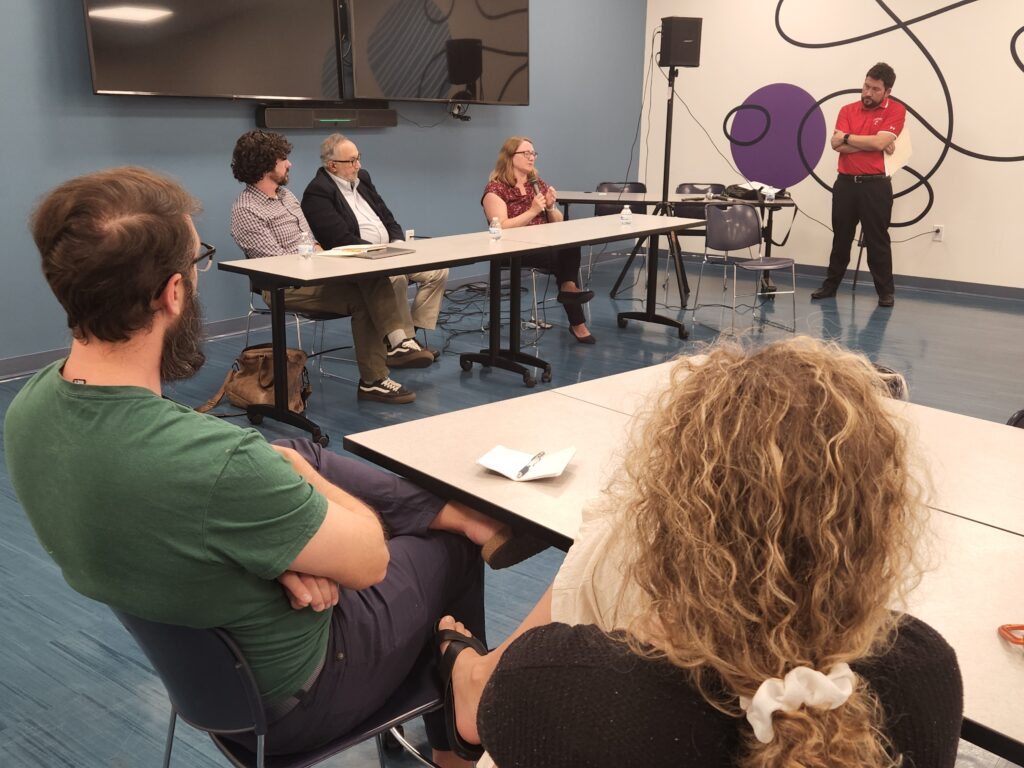
Following introductions, Andy moderated a wide-ranging discussion exploring both the scientific potential and ethical implications of CRISPR gene-editing technology.
The conversation began with Professor Gurnon explaining the science behind CRISPR and why it has generated such excitement within the scientific community. CRISPR is a genetic engineering technique that allows scientists to modify the genomes of living organisms with unprecedented precision. Professor Gurnon noted that we are living through one of the most remarkable periods in the history of genetics. Within a single lifetime, scientists have gone from being unable to directly observe DNA to mapping entire genomes and developing gene-editing treatments for diseases such as sickle cell anemia.
Yet, as the panelists emphasized throughout the evening, scientific progress often raises difficult ethical questions. Professor McGowan discussed the uncertainty that accompanies new biomedical technologies and the importance of carefully considering both their benefits and risks. She highlighted the challenge of evaluating long-term outcomes, noting that some medical innovations require decades of observation before their full effects can be understood. Her comments prompted broader discussion about patient safety, informed consent, and the ethical responsibilities that accompany scientific experimentation.
Dr. Menon expanded the conversation beyond the laboratory, encouraging participants to consider the broader societal implications of advances in genetics. The panel explored questions of access and equity, the role of public trust in science, and the importance of preparing future scientists, healthcare professionals, and citizens to engage thoughtfully with rapidly evolving biomedical technologies.
Following the panel discussion and audience question-and-answer session, attendees had the opportunity to continue the conversation in a more personal and interactive format. Participants divided into three small discussion groups, each led by one of the panelists, allowing community members to engage directly with the experts and one another.
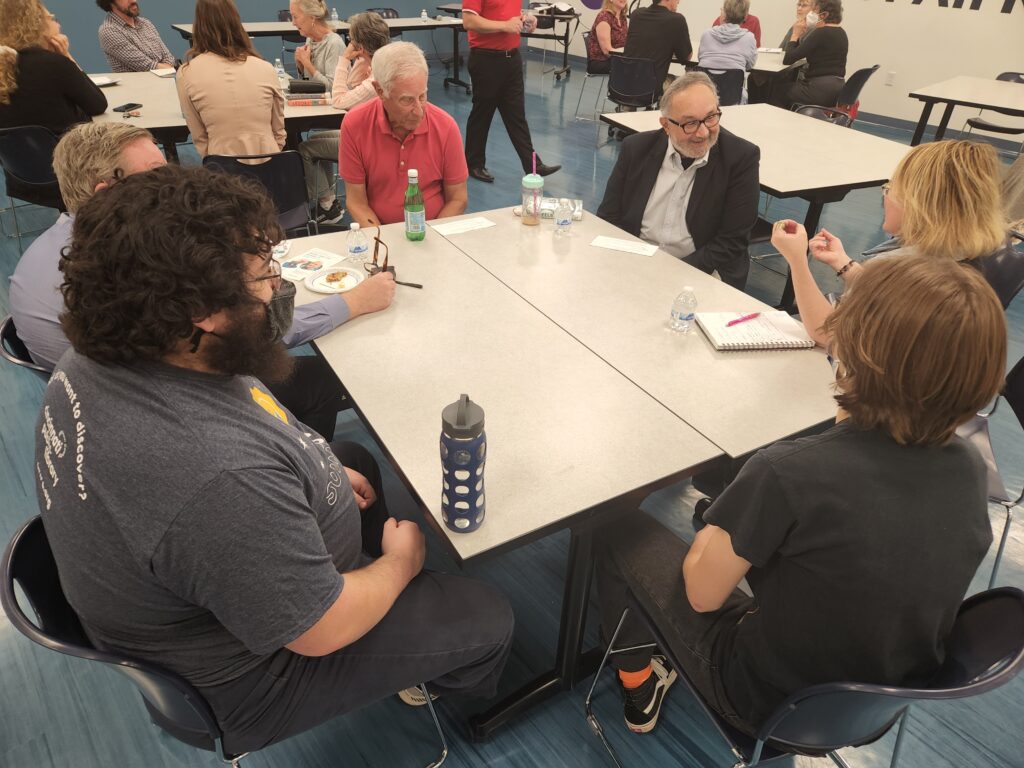
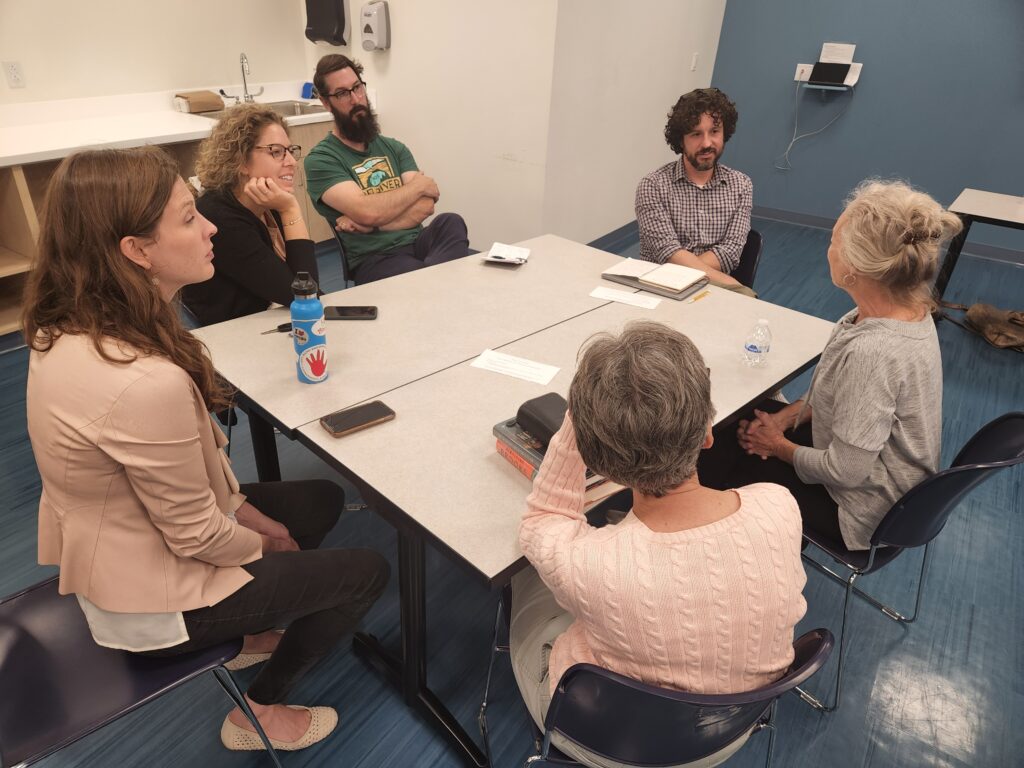
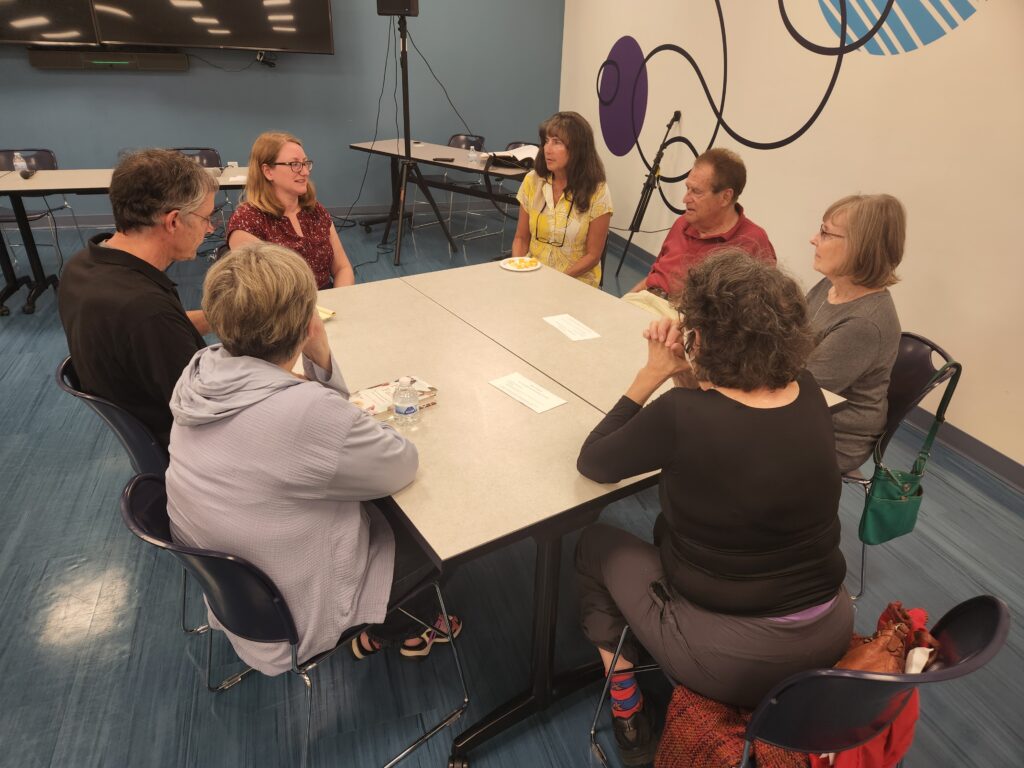
These breakout discussions proved to be one of the most valuable aspects of the evening. In the smaller setting, participants were able to ask more personal questions, share their own perspectives and concerns, and explore the ethical dimensions of genetic technologies in greater depth. Rather than ending with a traditional lecture or question-and-answer session, the event concluded with a meaningful dialogue among experts and community members alike.
As advances in genetics and gene-editing technologies continue to reshape medicine and society, opportunities for public engagement and ethical reflection become increasingly important. The Ethics of Genetics Expert Panel demonstrated the value of bringing together scientists, ethicists, and community members to consider not only what scientific advances make possible, but also how society should choose to use them.